
What Day Training for Dogs Looks Like: Drop-Offs, Structure, and Handoffs
September 29, 2026
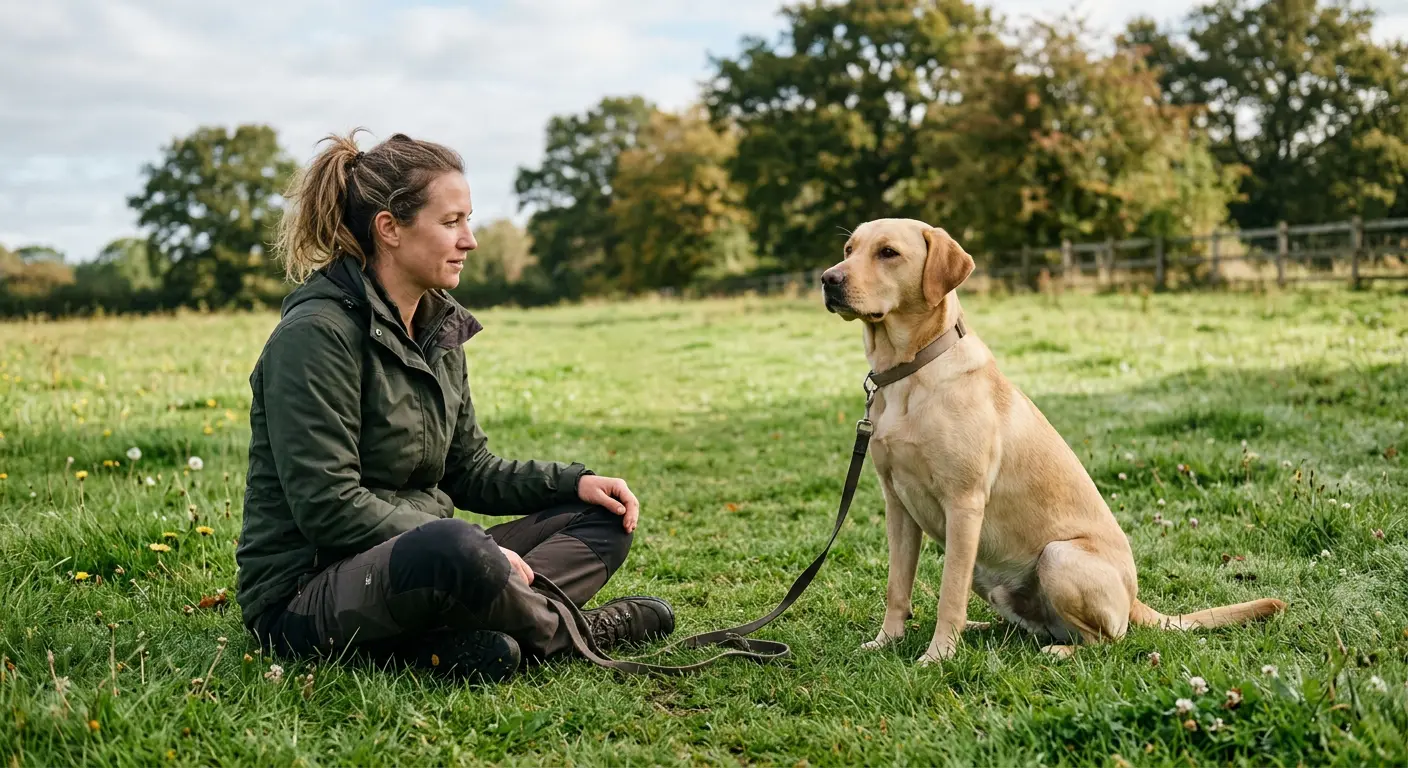
Finding the right training approach often comes down to your schedule, your dog's specific challenges, and how much hands-on time you can commit each week. For many owners, day training for dogs offers the ideal middle ground between working entirely on their own and sending their dog away for an overnight stay. You get the benefit of dedicated repetitions from an experienced professional during the day, while your dog still sleeps in their own bed every night.
Understanding the mechanics of a day training program helps you decide if it aligns with your lifestyle. Here is a clear look at how a structured training day unfolds, why the handoff process matters so much, and who benefits most from this format.
The Drop-Off Routine: Starting the Day with Clarity
A productive training day begins the moment you arrive. Unlike free-for-all doggy daycares where dogs are turned loose into high-arousal playgroups, a professional day training environment is built around calm management and intentional work.
When you drop your dog off in the morning, the transition is calm and purposeful:
- Calm Entry: Dogs practice waiting at doorways, walking politely on leash, and disengaging from outside distractions before entering the facility.
- Settling In: Each dog is assigned a clean, quiet resting crate or suite where they decompress from the car ride and prepare mentally for the work ahead.
- Health and Readiness Check: Trainers check energy levels, physical comfort, and baseline focus before beginning the day's first active session.
Starting the day with clear boundaries sets the tone. It teaches dogs that entering a training space means switching into a thoughtful, cooperative mindset rather than getting overstimulated.
Structured Training Blocks and Intentional Rest
Dogs do not learn effectively when drilled for hours on end. Meaningful progress happens through short, focused training sessions separated by periods of calm, structured rest.
Throughout the day, your dog rotates through several distinct blocks designed to build skills, improve impulse control, and strengthen engagement:
1. Skill Acquisition and Foundation Work
During individual sessions, the trainer works one-on-one with your dog on clear mechanics. This includes markers, leash communication, basic positions (sit, down, place), and loose-leash walking foundations. Because the trainer handles the initial mechanical reps, your dog learns the clarity of the exercise without the confusion that often happens when an owner is also trying to learn the mechanics simultaneously.
2. Environmental Proofing and Distraction Handling
Once a skill is understood in a low-distraction setting, the trainer gradually layers in real-world elements. This might mean working near other calm dogs, introducing unusual noises, practicing doorways, or moving the session outdoors to work on leash manners around natural distractions.
3. Structured Socialization and Neutrality
Healthy socialization is not about letting your dog greet every person or dog they see. True socialization creates neutrality—the ability to remain relaxed and attentive to the handler regardless of what is happening nearby. Day training allows trainers to orchestrate neutral exposures in controlled settings.
4. Crate Rest and Mental Processing
Between working blocks, dogs rest. Crate rest is not downtime wasted; it is an essential part of the learning cycle. Physical rest allows the dog's nervous system to settle, helps prevent physical fatigue, and gives the brain time to process newly learned information.
The Afternoon Handoff: Why the Transfer Matters Most
The most important phase of day training happens at pickup. A dog can perform perfectly for a professional trainer, but if those skills do not transfer to you at home, the training has not done its job.
The handoff session bridges this gap. When you arrive to pick up your dog, the trainer does not simply hand you the leash and send you on your way. Instead, you walk through what was worked on that day:
- Demonstration: The trainer shows you the specific exercise, cue, or boundary the dog practiced.
- Coaching: You take the leash and handle your dog while the trainer observes, giving you immediate feedback on your timing, body language, and leash handling.
- Daily Debrief: You receive clear instructions on what to maintain at home that evening, including feeding routines, threshold manners, and leash rules.
Consistency at home reinforces the reps completed during the day. If a dog works on impulse control for six hours and then returns home to complete chaos, progress stalls. The handoff ensures everyone in the house stays on the same page.
Who Benefits Most from Day Training for Dogs?
While every household has unique needs, day training is particularly effective for specific situations:
- Busy Working Professionals: If your work schedule prevents you from putting in multiple daily training sessions, day training ensures your dog receives structured education while you are at work.
- Puppies and Young Dogs: Young dogs thrive on routine and frequent, short learning intervals. Day training builds solid foundation manners during critical developmental windows.
- Owners Needing Mechanical Support: Some owners struggle with timing, leash mechanics, or handling active dogs. Having a trainer lay the groundwork makes it much easier for the owner to take over and maintain the behavior.
- Dogs Needing Consistent Routine: Dogs that struggle with boredom, mild restlessness, or lack of structure at home benefit from a reliable, predictable schedule of work and rest.
For owners deciding between formats, day training serves as a balanced alternative. While private lessons require you to perform every single repetition yourself throughout the week, day training offloads the heavy lifting of initial repetitions to the trainer while keeping you fully involved through daily coaching.
Supporting Dogs Across the Emerald Coast
Every community has different daily demands, from neighborhood strolls to navigating busy public parks. For dog owners in Crestview, FL and neighboring Panhandle communities, day training provides practical skills that carry over directly into everyday life—whether that means passing other dogs on the sidewalk without pulling or settling quietly at home after a long day.
Training is not about shortcuts or quick fixes. It is about building clear communication, mutual trust, and practical habits that hold up in real environments.
Is Day Training Right for Your Dog?
Every dog brings a unique temperament, history, and set of goals to the table. If you are looking for dedicated daytime training with evening home continuity, day training may be the right path forward for your family.
To discuss your goals and find the training format that best fits your dog's needs, reach out to book an initial consultation with our team today.
Explore private lessons and dog training in Crestview.