
Puppy Training Foundations: The First Eight Weeks That Prevent Problems Later
August 28, 2026
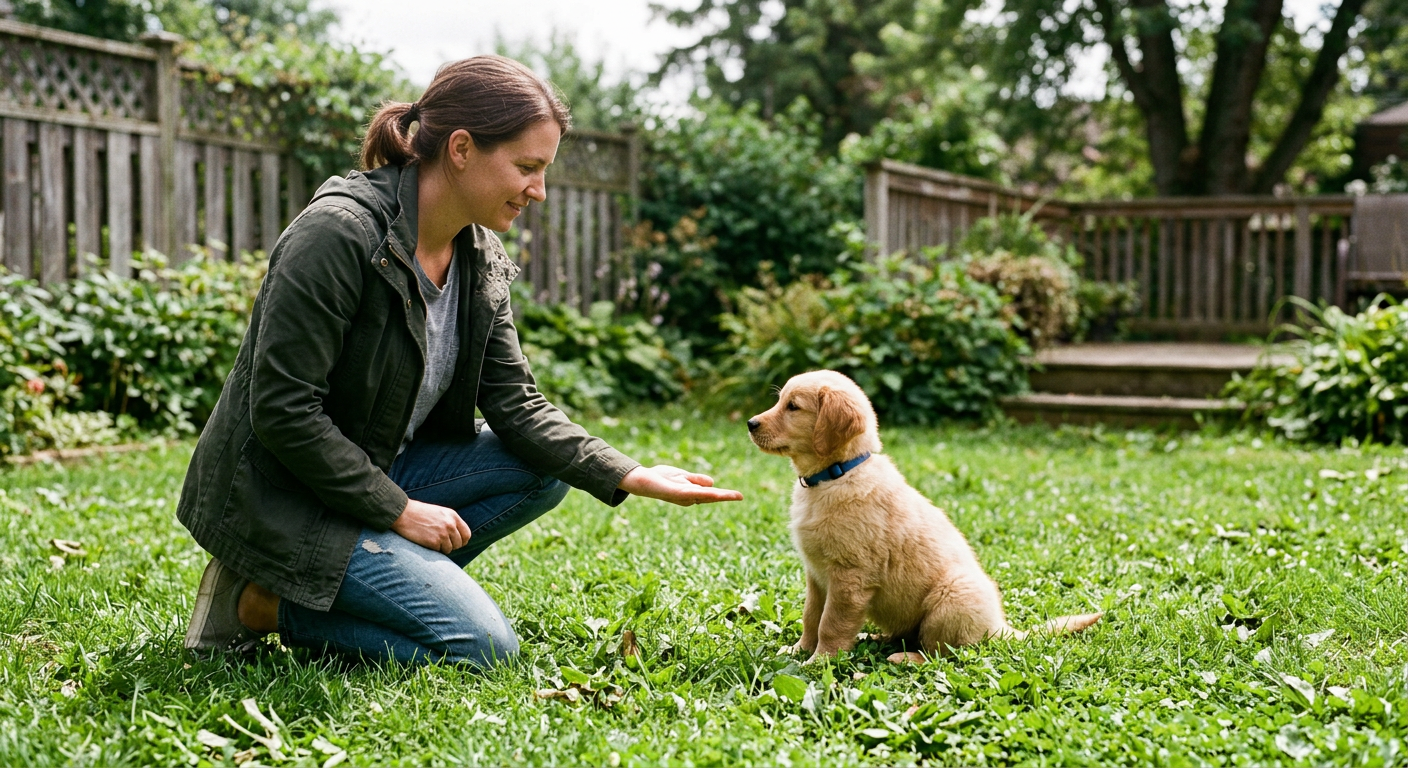
Bringing a new puppy home is exciting, but it often comes with a steep learning curve. The period between eight and sixteen weeks of age is the most influential developmental stage in a dog's life. What you teach, expose them to, and manage during these initial two months sets the pattern for their adult behavior. Effective puppy training is not about drilling formal obedience commands like long stays or precision heel work. Instead, it is about building clear communication, emotional stability, and reliable daily habits that prevent behavioral issues before they start.
When puppies develop unwanted behaviors later in life—such as reactivity, separation distress, resource guarding, or persistent jumping—those issues can frequently be traced back to early gaps in structure or socialization. By focusing on a few core foundations from day one, you establish a calm household routine and a strong relationship built on mutual trust.
The Critical Socialization Window
Many owners hear the word socialization and assume it means introducing their puppy to every person, dog, and novel object they encounter. In reality, socialization is about creating neutral, positive associations with the environment, not forcing interactions.
Between eight and fourteen weeks, puppies are biologically primed to absorb environmental information without immediate fear. Once this window closes, dogs naturally become more cautious of unfamiliar stimuli. Your goal during this stage is exposure, observation, and recovery.
- Quality over quantity: Let your puppy watch cars pass, listen to lawnmowers, walk on different surfaces (grass, gravel, wet pavement, wood chips), and see people wearing hats or carrying umbrellas.
- Promote neutrality: If your puppy meets twenty dogs on leash who all pull and lunge to play, the puppy learns that other dogs equal extreme arousal. If your puppy sees other dogs from a distance while remaining calm and focused on you, they learn neutrality.
- Advocate for space: Never let strangers or unfamiliar dogs overwhelm your puppy. If your puppy retreats or shows uncertainty, give them distance and let them observe at their own pace.
For families in Crestview, FL and the surrounding communities, early exposure to our varied local environments—from quiet suburban neighborhoods to open parks—can be done safely before full vaccinations by carrying the puppy, using a blanket in public spaces, or working in controlled driveways and yards.
Crate Training and the Importance of Rest
A young puppy needs between 16 and 20 hours of sleep per day. When puppies do not get enough sleep, their impulse control drops, leading to excessive biting, frantic zoomies, and difficulty settling. Crate training is the single best tool for managing overtiredness and teaching independent rest.
Introduce the crate as a quiet, neutral space rather than a place of punishment. Feed meals inside the crate, drop treats in periodically when the door is open, and establish predictable nap times throughout the day.
Practical Crate Guidelines
- Establish an age-appropriate rhythm: A general schedule for an eight-to-ten-week-old puppy is one hour awake followed by one and a half to two hours of crate rest.
- Avoid letting them practice distress: If the puppy whines briefly because they want attention, wait for a few seconds of silence before letting them out. If they are in genuine panic, adjust the crate location or make the environment quieter.
- Keep the crate close initially: Placing the crate near your bed during the first week helps the puppy settle, knowing they are not completely isolated in a strange new environment.
Consistent Housebreaking
Potty training comes down to supervision, timing, and consistency. Puppies do not have full bladder control until several months of age, so accidents in the house are almost always management errors rather than stubbornness.
Take your puppy out to the same spot on a leash every time:
- Immediately after waking up from a nap
- Within ten minutes after eating or drinking
- After any high-energy play session
- Every 30 to 45 minutes when they are awake and active indoors
Stand quietly in the designated area and give them two to three minutes. When they eliminate, mark the moment with calm verbal praise and reward them immediately with a small treat. If they do not go, place them back in their crate or keep them on a leash tethered to you, and try again fifteen minutes later. Never punish a puppy for an accident that has already happened; clean it thoroughly with an enzymatic cleaner and tighten your management schedule.
Managing Puppy Biting and Bite Inhibition
All puppies explore the world with their mouths. During play, littermates teach each other bite inhibition: when one puppy bites too hard, the other yelps and stops playing. Once a puppy enters a human home, you must continue this education.
Bite inhibition teaches the dog how to control the pressure of their jaw before adult teeth and strength come in. When your puppy bites hard during play, let out a firm, calm verbal cue like "No" or a short yelp, freeze your movement, and remove your hands. If the puppy redirects onto a toy, resume calm interaction. If the puppy continues to lunge or bite clothing, calmly step behind a baby gate or place them in their crate for a brief reset.
Never slap at the puppy's muzzle, pin them down, or roughly pry their jaws open. Physical retaliation often increases arousal and can lead to defensive behaviors down the road.
Building Name Response and Engagement
Your puppy's name should mean one thing: look at me for guidance. Avoid using your puppy's name repeatedly when they are ignoring you, and never use their name when scolding them.
To build a sharp name response:
- Say the puppy's name once in a clear, upbeat tone.
- The moment their eyes meet yours, mark with "Yes" and reward with a piece of their daily kibble.
- Practice this in low-distraction areas first (like the living room), then gradually test it with mild distractions.
Teaching your puppy that paying attention to you yields value creates the foundation for a reliable recall later in life.
Core Priorities for Early Puppy Training
When prioritizing your daily routine during the first eight weeks, keep these fundamentals front and center:
- Predictable structure: Maintain consistent times for feeding, potty breaks, naps, and handling exercises.
- Controlled environmental exposure: Prioritize calm observation over chaotic interactions with unfamiliar people and dogs.
- Handling and grooming tolerance: Gently touch your puppy's paws, ears, tail, and mouth every day while rewarding calm acceptance.
- Bite management: Always have an appropriate chew toy nearby to redirect nipping before it escalates.
- Value for handler focus: Reward spontaneous eye contact and calm behavior in the house without requiring a formal command.
Laying the Groundwork for the Future
Raising a balanced dog is a process of small, consistent decisions made every single day. The work you put into crate routines, bite inhibition, and neutral socialization during these early weeks prevents fear, reactivity, and destructive habits from taking root.
If you want individualized guidance to navigate these crucial months, working with a professional can give you clarity and confidence. Through Private Lessons, we coach you through early development directly in your home environment. For owners looking for comprehensive structure and habit building, our Board & Train Programs provide focused, daily foundation work to set your dog up for long-term success.
If you have a new puppy and want to build a solid foundation from the start, contact Total Balance K9s to schedule a consultation.