
Puppy Biting and Mouthing: What to Do Instead of Scolding
September 10, 2026
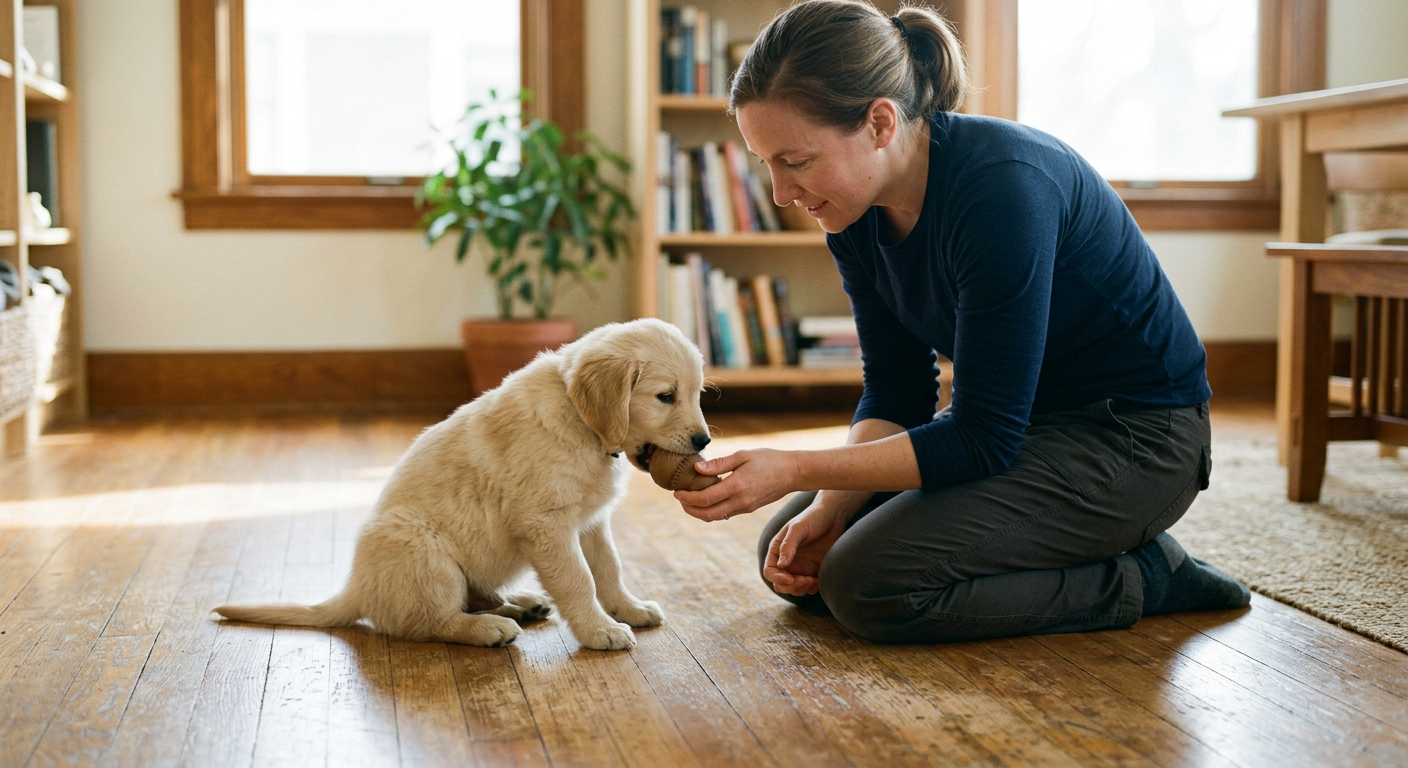
Bringing a new puppy home is exciting, but the reality of sharp, needle-like teeth sinking into hands, ankles, and clothing often catches new owners off guard. Dealing with persistent puppy biting is one of the most frustrating phases of early dog ownership. When a puppy latches onto your pant leg or nips your fingers during playtime, the instinctive human reaction is often to yell, push the dog away, or scold them with a harsh "No!"
Unfortunately, direct reprimands rarely solve the problem and often make the nipping significantly worse. Puppies do not mouth out of spite or dominance. Mouthing is an instinctual behavior tied directly to exploration, teething, and emotional arousal. By understanding what drives this behavior and implementing a calm, structured approach focused on arousal management and rest, you can guide your puppy through this stage without damaging your relationship.
Why Puppy Biting Happens and Why Scolding Fails
To address mouthing effectively, you must understand why puppies use their mouths in the first place. Litters play by wrestling, chasing, and biting one another. When puppies leave their mother and littermates, they naturally attempt to engage their new human family members in the exact same manner. Your hands move, your pant legs flutter, and your voice makes interesting sounds—all of which mimic the feedback of an engaging playmate.
When you react to a bite with a loud reprimand, sudden physical pushing, or finger-pointing, your puppy interprets that physical and vocal energy in one of two ways:
- High-Value Play: To an excited puppy, you shouting "No!" and pushing them away feels like roughhousing. It increases their excitement and encourages them to bite harder and jump faster.
- Confusion and Conflict: If the scolding is intense or intimidating, it can create fear and defensive behavior. A puppy that feels cornered or stressed may begin snapping out of self-preservation rather than play.
Neither outcome teaches the puppy what behavior is expected. True behavior change comes from controlling the environment, managing energy levels, and providing clear, consistent alternatives.
The Overlooked Culprit: Chronic Overtiredness
The single most common trigger for intense, uncontrollable puppy biting is a lack of sleep. Young puppies need between sixteen and twenty hours of sleep every day to process their experiences, recover physically, and regulate their nervous systems.
When puppies become overtired, they lose impulse control—much like an exhausted toddler throwing a tantrum. If your puppy experiences sudden bursts of frantic running, glazed-over eyes, and relentless biting that seems impossible to redirect, they are almost certainly running on empty.
Establishing an Enforced Rest Schedule
Left to their own devices, most puppies will not put themselves to bed. The sights, smells, and activities in your home keep their minds firing even when their bodies are completely depleted.
- Follow a 1:2 Ratio: A reliable guideline for young puppies is one hour of awake time followed by two hours of quiet, uninterrupted sleep in a crate or designated resting pen.
- Designate a Quiet Sleep Area: Place the crate in a low-traffic room where the puppy is not disturbed by foot traffic, television noise, or other pets.
- Watch the Clock, Not Just the Energy: Do not wait until your puppy is bouncing off the walls and biting ankles to put them down for a nap. Proactively transition them to their quiet space before their arousal peaks.
Managing Arousal Levels in Daily Interactions
Biting frequency rises and falls with your puppy's internal arousal state. When excitement spikes, motor control drops, and teeth engage. Managing arousal is about keeping interactions calm and recognizing when play is tipping into frantic overstimulation.
Keep Your Own Body Language Grounded
High-pitched voices, fast hand movements, and erratic play encourage a predatory chase response in puppies. When petting or engaging with your puppy, keep your hands slow, steady, and low. Avoid roughhousing with your bare hands; using your hands as toys teaches the puppy that human skin is an acceptable biting surface.
Provide Structured Outlets
Instead of unstructured physical wrestling, channel your puppy's natural desire to bite into appropriate, durable items. Have designated chew toys, rubber toys, or long rope toys ready before you initiate play. If your puppy approaches you looking to engage, immediately offer a suitable toy before their teeth make contact with your body.
Practical Steps to Handle Biting in the Moment
When your puppy's teeth do touch your skin or clothing, how you react in that exact second determines how quickly they learn to stop.
- Freeze and Disengage: Fast movements mimic prey and invite harder biting. If a puppy grabs your hand or clothing, immediately hold still. Remove your attention by looking away and crossing your arms.
- Redirect to an Approved Texture: Calmly present an appropriate chew item, such as a rubber toy or a structured tug rope. Move the toy slightly along the floor to capture their visual interest away from your hands.
- Create Spatial Separation: If the puppy ignores the toy and continues to bite at your feet or hands, calmly step behind a baby gate or step into another room for twenty to thirty seconds. This removes the reward of your presence entirely without using anger or force.
- Evaluate the Underlying Need: Ask yourself when the puppy last ate, went outside to eliminate, or had a nap. If they have been awake for over an hour, transition them calmly into their crate or resting pen for sleep.
Building Long-Term Habits Through Consistent Guidance
Raising a calm, well-mannered puppy requires patience, environmental management, and consistent routines from everyone in the household. While the biting phase can feel overwhelming, it is a normal developmental stage that resolves with clear boundaries and proper structure.
If you need hands-on assistance setting up daily routines or managing puppy behavior, working with an experienced trainer can give you clarity and confidence. Our private lessons provide direct, customized coaching tailored to your puppy's unique temperament and your household's daily lifestyle. For families seeking more intensive daily help to establish solid foundations, our structured day training programs offer a comprehensive approach to early manners and focus.
For dog owners located in Crestview, FL and the surrounding communities, establishing reliable habits early prevents common puppy behaviors from turning into difficult adolescent habits later on.
Start Your Puppy Off on the Right Foot
Navigating puppy development does not have to be a battle of wills. With clear communication, adequate rest, and balanced training methods, you can help your puppy develop impulse control while preserving a trusting bond.
If you are ready to create a clear plan for your puppy's development, contact our team today to schedule a training consultation.