
Place Command Dog Training: How to Build Calm and Duration at Home
September 2, 2026
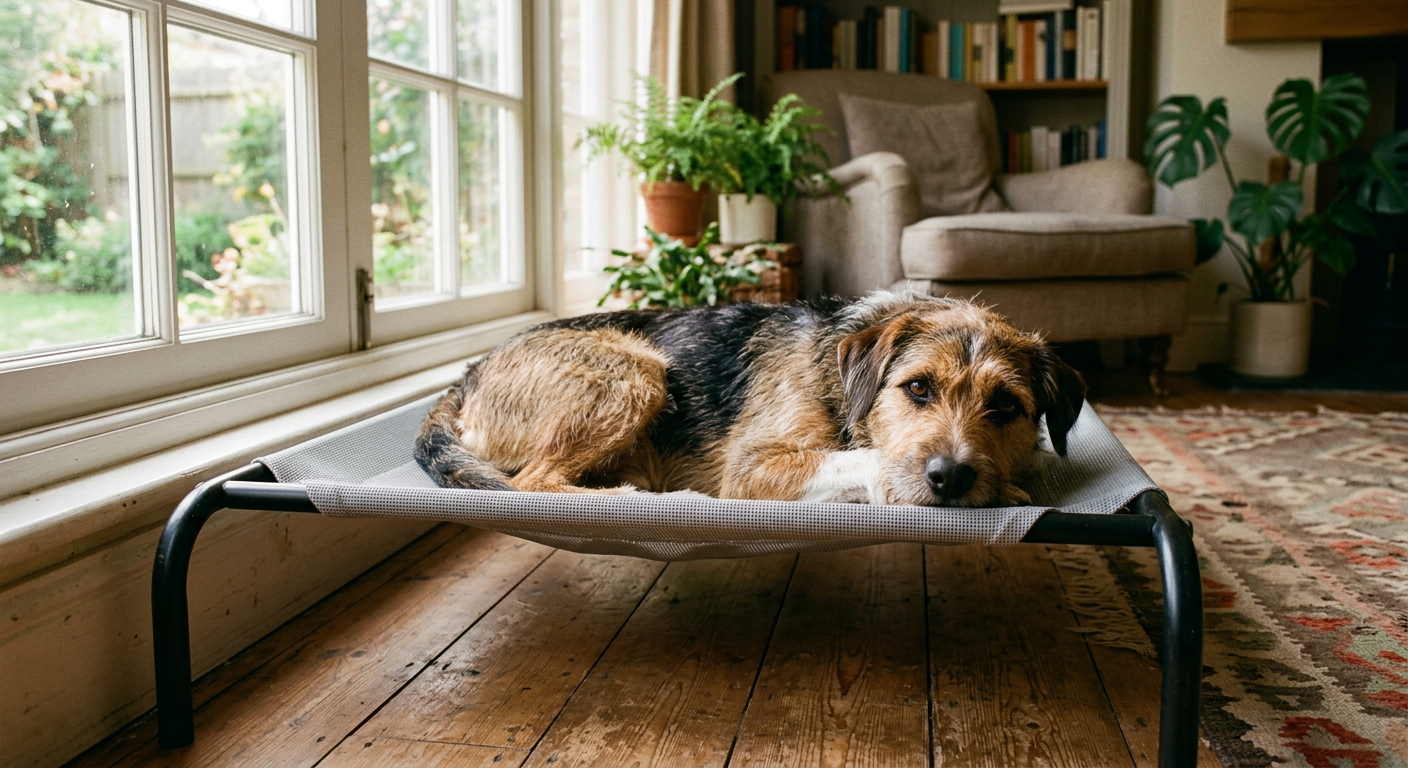
If you live with a dog that constantly patrols the living room, paces while you cook dinner, or barrels toward the front door every time the doorbell rings, you know how quickly household excitement turns into frustration. Many owners try to manage these moments with repeated verbal corrections or physical barriers. However, practical place command dog training offers a clear, structured alternative that gives your dog a defined job: settle down and relax on a designated bed or cot.
At Total Balance K9s, we view the place command as one of the most valuable foundational skills you can teach. It is not just about keeping a dog physically still in one spot. When taught properly, it shifts your dog's mental state from frantic anticipation to relaxed neutrality, transforming chaotic daily routines into quiet, predictable moments.
Why the Place Command Is More Than a Simple Stay
A traditional "stay" command usually implies that a release is coming shortly or that the dog must maintain a rigid posture, such as a formal sit or down. For high-energy dogs, holding a formal stay creates internal tension as they wait for the next cue.
The place command is different because it emphasizes emotional regulation over rigid posture. The boundary is physical—usually an elevated cot or a defined dog bed—which gives the dog clear spatial parameters. As long as all four paws remain on the bed, the dog can shift positions, sit, lie flat, or stretch out. This physical boundary creates mental clarity. The dog understands exactly where the boundary begins and ends, eliminating the guesswork that often leads to creeping forward or breaking position.
When a dog learns that their only responsibility on place is to settle and wait, their heart rate drops, their muscles relax, and they stop monitoring every movement in the house.
Solving Front-Door Chaos and Dinner-Table Begging
Most unwanted behaviors happen when a dog has too much freedom and no clear direction during high-arousal moments. The place command directly addresses the two most common problem areas in the home: visitors arriving and meal preparation.
Managing Front-Door Excitement
When someone knocks or rings the doorbell, a dog's default response is often to rush the entryway, bark, and jump on guests. By establishing a dedicated place bed within view of the entryway but out of the physical path of traffic, you give your dog an alternative behavior. Instead of reacting to the doorbell as a trigger to charge, they learn that the doorbell means go directly to their bed and remain there until you release them.
Eliminating Dinner-Time Begging
Begging, hovering around the dining table, or pacing the kitchen during food prep happens because the dog believes proximity might lead to a reward. Sending your dog to place before you start cooking removes them from the kitchen workflow. Over time, the routine of resting on place while humans eat becomes second nature, restoring peace to family mealtimes.
Step-by-Step: Fundamentals of Place Command Dog Training
Teaching a reliable place command requires clear communication, consistent repetitions, and incremental challenges. Here is how to build the foundation at home:
1. Introduce the Boundary
Start in a low-distraction environment with a raised cot or firm bed. Keep your dog on a leash for guidance. Walk toward the bed, guide your dog onto it, and the moment all four paws are on the surface, mark the moment with a calm marker word (such as "good") and reward with a piece of food. Introduce the verbal cue "place" right before they step onto the bed. Do not worry about duration yet; simply reward the action of stepping onto the surface.
2. Teach the Release Cue
Your dog must understand that they do not decide when the exercise ends. Use a clear release word (such as "free" or "break") and calmly guide them off the bed with leash pressure or body movement. Do not reward them for leaving the bed; the value should always remain on the place bed itself.
3. Build Duration Before Distance
Once your dog understands the boundary and the release word, begin adding time. Ask them to place, wait five seconds, reward on the bed, and release. Gradually increase the time from seconds to several minutes. If your dog gets up before the release cue, calmly guide them back without anger, place them back on the bed, and wait a few seconds before releasing them.
4. Add Distance and Real-World Distractions
After your dog can stay on place for ten minutes while you stand nearby, begin adding movement. Take two steps back, return, and reward. Drop a toy, walk into another room, or open a cupboard. Always return to the bed to deliver the reward so the dog does not anticipate breaking position toward you.
Common Mistakes to Avoid
Building duration and true calm takes practice. Watch out for these common training pitfalls along the way:
- Rewarding after the release: If you give a treat the moment the dog steps off the bed, you teach them that leaving is the best part of the exercise. Always reward while the dog is calmly occupying the bed.
- Rushing past the fundamentals: Moving too quickly from a quiet living room to a house full of energetic guests sets the dog up for failure. Build reliable duration in calm environments first.
- Ignoring emotional arousal: If your dog is trembling, whining, or staring intensely while on place, they are physically restrained but not mentally settled. Wait for relaxed body language—such as a hip roll, a deep exhale, or resting the chin on the floor—before offering calm reinforcement.
- Using place as a punishment: Never send your dog to place in anger. The bed should always be viewed as a safe, neutral, and rewarding space to decompress.
Bringing Structure to Daily Life
Achieving a dependable place command takes patience, but the long-term payoff for your household harmony is well worth the effort. For families navigating busy schedules or working with high-drive, reactive dogs in Crestview, FL, structured guidance helps ensure clear, consistent progress.
Whether you need hands-on coaching through one-on-one sessions or prefer an immersive foundation through our comprehensive board and train programs, learning how to manage your dog's energy builds a stronger, more trusting relationship between you and your pet.
If you are ready to resolve household chaos and help your dog develop genuine impulse control, we invite you to reach out to our team to schedule a consultation.