Summer Heat and Training Your Dog Safely
October 29, 2026
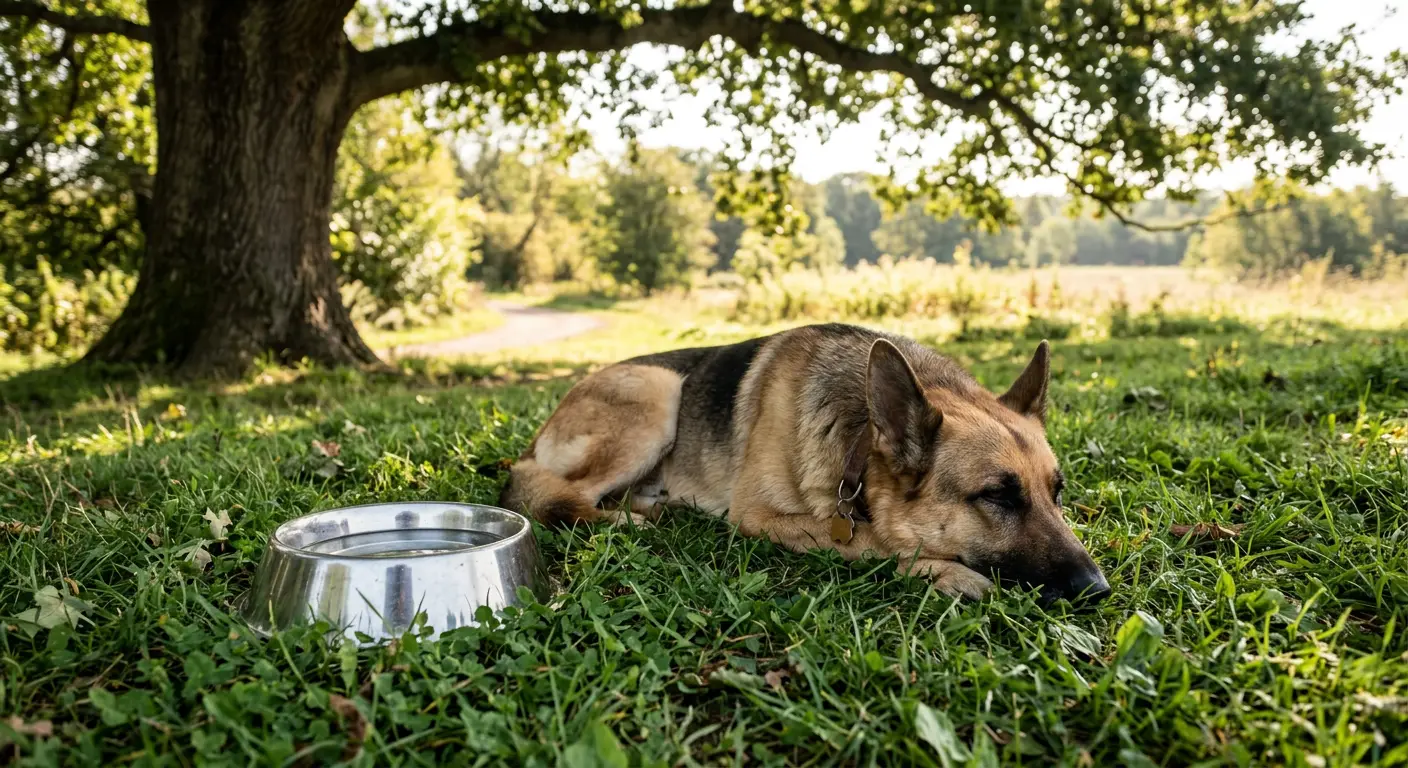
By seven in the morning between June and September, the air already feels like a wet blanket. I see owners try to push through their standard forty-five minute neighborhood walk or outdoor drill routine, and within ten minutes, the dog has a wide, flattened tongue, glazed eyes, and zero interest in food or toys. That is not stubbornness or lack of drive. That is physical distress.
Understanding dog training heat safety comes down to understanding how dogs cool off. Dogs do not sweat through their skin the way we do. They rely almost entirely on panting to exchange warm body heat for cooler outside air. When the humidity is sitting at eighty or ninety percent, the moisture in the air prevents that evaporative cooling from working effectively. A dog can overheat fast even when the thermometer does not look extreme.
Changing How You Time Sessions
When the weather heats up, I change my training structure entirely. Instead of one long session outside, I break the work into five-minute micro-sessions. We might do five minutes of structured loose leash walking at dawn, move inside to the living room for place command work under the air conditioning, and finish with a quick game of tug in the shade.
If you are doing outdoor work, the surface temperature matters just as much as the air. Asphalt and concrete absorb heat all morning and radiate it straight up into your dog's chest and paws. Place the back of your bare hand flat on the pavement and hold it there for seven full seconds. If it is uncomfortable for your skin, it is too hot for your dog to walk or hold a down-stay on. Stick to grass, dirt trails, or indoor spaces during the middle of the day.
Managing Water and Rest
Hydration during training is not just about leaving a full bowl on the porch. Dogs working in high heat need cool water offered in small, frequent amounts. Gulping a massive bowl of freezing water right after hard physical exertion can cause stomach upset or worse. Offer a few laps of cool water between exercises, let them catch their breath in the shade, and then decide if you should continue.
Watch your dog's mouth and posture. A normal working pant is rhythmic and relaxed. An overheated pant looks different: the tongue swells and curls upward at the edges, the corners of the lips pull far back, and the dog starts seeking shade instead of checking in with you. The moment you see that wide tongue, stop the session. Training through heat exhaustion does not build grit; it builds a dog that hates working with you.
During our private lessons, I teach handlers to use the summer months for mental work rather than heavy physical conditioning. Scent games, impulse control on a place cot, and precise heel position inside the house tire a dog out without putting their body under heat stress.
If you live around Crestview, FL and need help balancing your dog's routine when the weather keeps you indoors, book a free 30-minute consult and we'll talk it through.
Explore private lessons and dog training in Crestview.